Weil's Anti-Inflammatory Diet
Dr. Andrew Weil’s Anti-Inflammatory Diet is a long-term eating pattern designed to reduce chronic inflammation, lower disease risks and support life-long health.
What is the foundation of the Weil's Anti-Inflammatory diet?
Dr. Weil’s Anti-Inflammatory Diet is a plant-forward, nutrient-dense dietary pattern that emphasizes whole foods, healthy fats, omega-3 rich fish, and anti-inflammatory herbs and spices. It aims to reduce chronic inflammation and support long-term metabolic and cardiovascular health.
Core Principles:
- The diet prioritizes natural, nutrient-dense foods and discourages ultra-processed foods and refined ingredients
2. Plant-Forward Foundation
most meals are centered around:
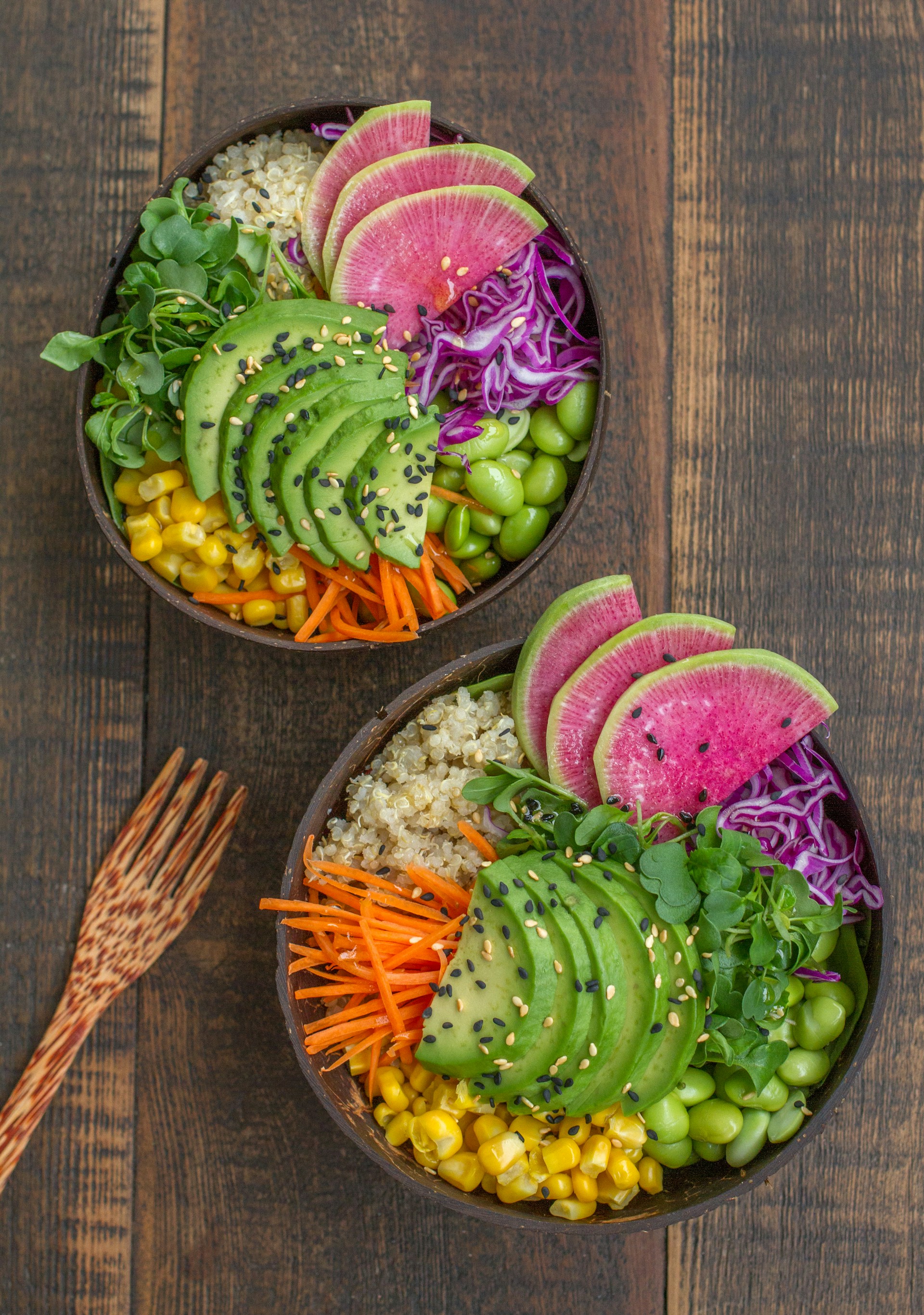
Vegetables (especially leafy greens and colorful vegetables)
Fruits (especially berries)
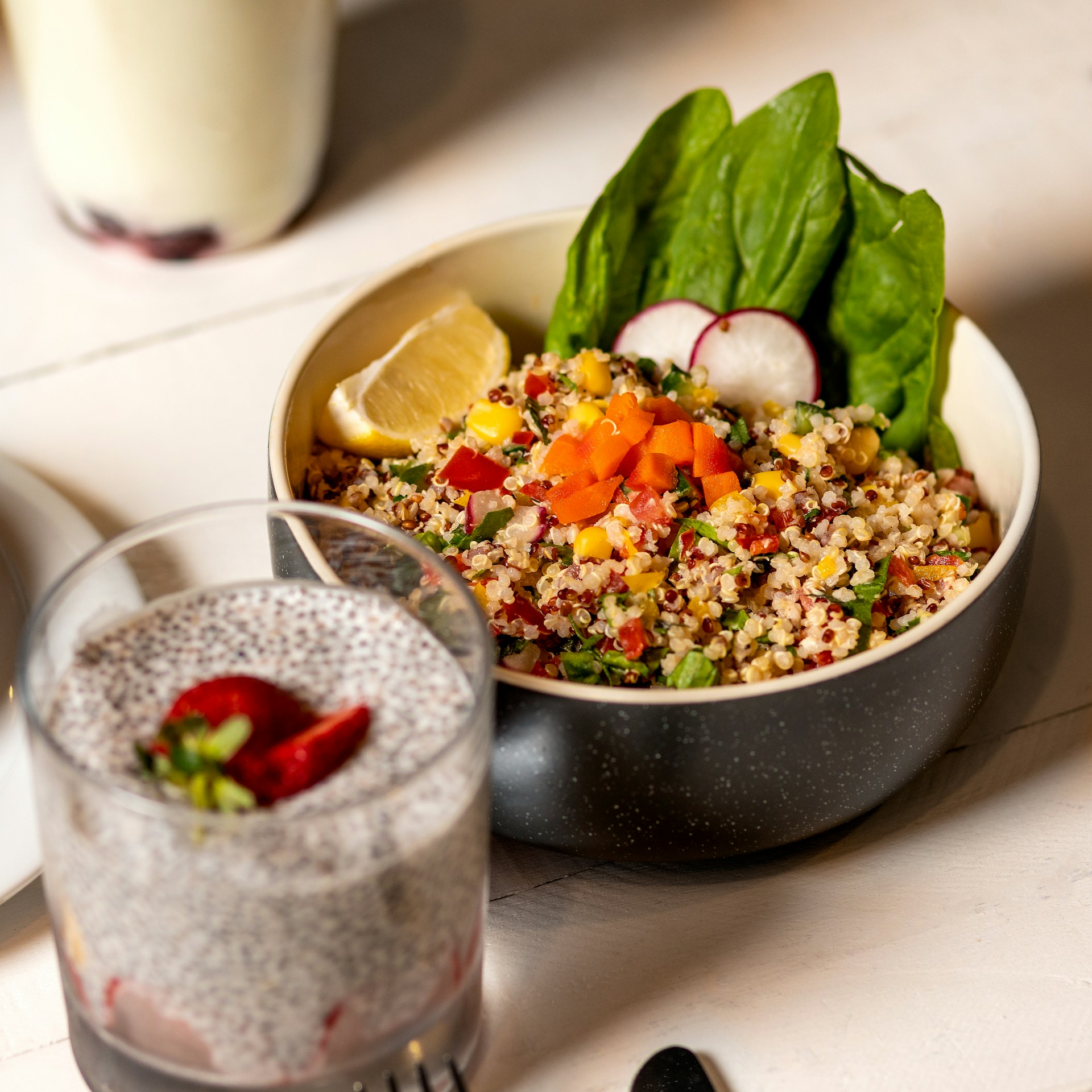
Whole grains
Legumes
Nuts and seeds
Herbs and spices
3. Healthy Fats
Healthy fats are a key component of this diet, including:
Extra virgin olive oil
Nuts and seeds
Avocados
These fats help reduce inflammation and support cardiovascular health.
4. Omega-3 Rich Foods
Regular intake of omega-3 fatty acids is encouraged through:
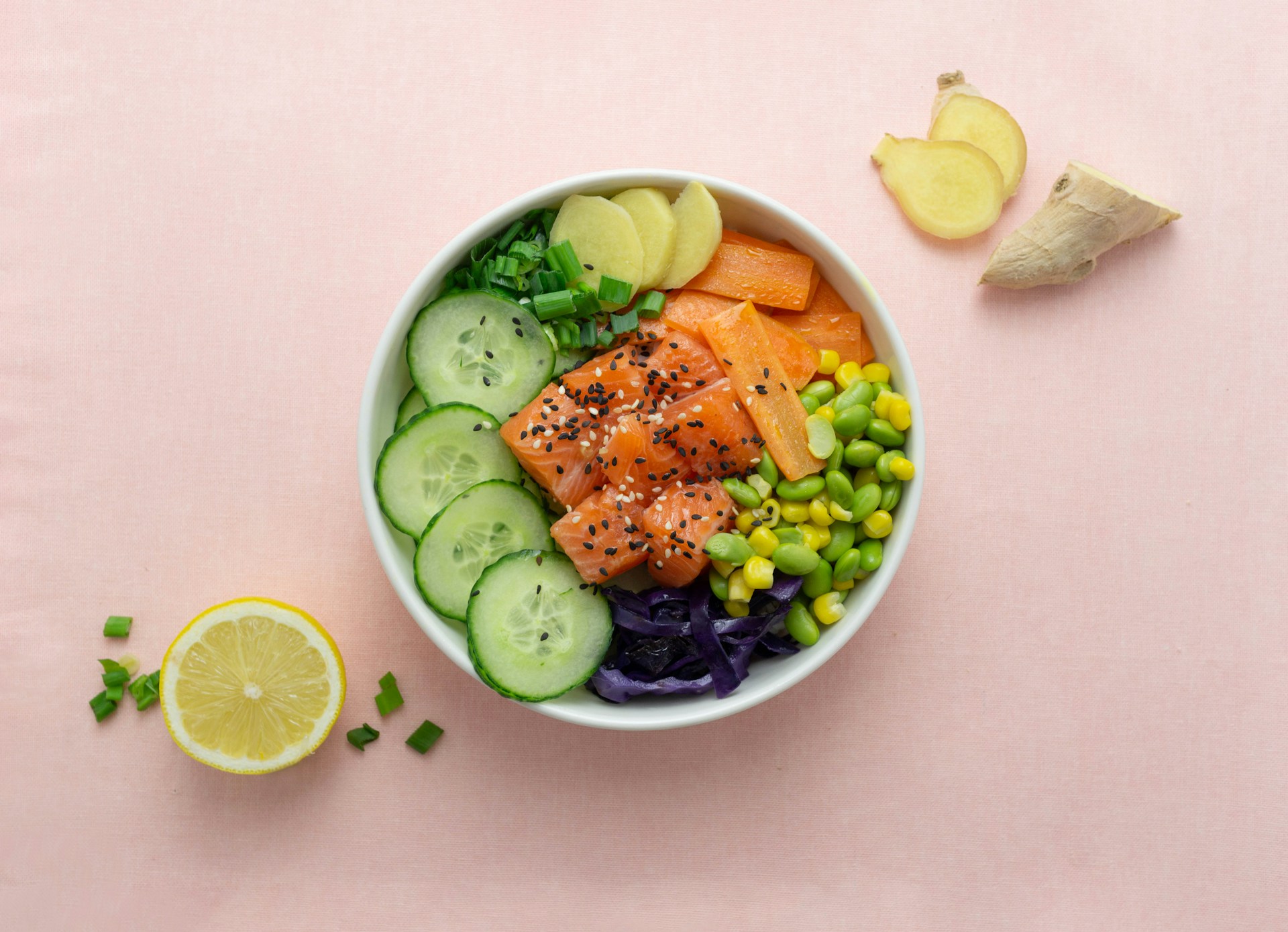
Fatty fish (salmon, sardines, mackerel)
Flaxseeds
Chia seeds
Walnuts
Omega-3 fats have well-documented anti-inflammatory effects.
5. Anti-Inflammatory Herbs and Spices
The diet emphasizes spices known for anti-inflammatory properties, such as:
Turmeric
Ginger
Garlic
Cinnamon
Green tea is also encouraged due to its antioxidant content.
Foods Included in Moderation
Fish and seafood (2–3 times per week)
Poultry
Soy foods (tofu, tempeh, edamame)
Moderate dairy (optional)
Foods to Limit
The diet recommends limiting or avoiding:
Processed foods
Refined carbohydrates
Sugary beverages
Excess red meat
Processed meats
Trans fats
Highly refined vegetable oils
Why is the Weil's Anti-Inflammatory diet approach effective for patients with liver disease?
The Weil’s Anti-Inflammatory Diet can be beneficial for patients with liver disease—particularly MASLD (Metabolic dysfunction-associated steatotic liver disease)—because it targets many of the biological processes that contribute to liver injury, including inflammation, insulin resistance, oxidative stress, and metabolic dysfunction.
This dietary approach emphasizes whole, minimally processed foods, including vegetables, fruits, whole grains, legumes, nuts, and healthy fats such as extra virgin olive oil, while limiting refined carbohydrates, processed foods, and excess saturated fat. These dietary changes help improve insulin sensitivity and metabolic balance, which are key factors in reducing fat accumulation in the liver.
The diet also encourages regular consumption of omega-3–rich foods such as fatty fish, which have been shown to reduce hepatic fat, improve lipid profiles, and decrease inflammatory signaling.
In addition, the inclusion of anti-inflammatory herbs and spices—such as turmeric, ginger, and garlic—provides bioactive compounds and antioxidants that may help reduce oxidative stress and inflammatory pathways involved in the progression of liver disease.
Another important aspect is the high intake of fiber-rich plant foods, which support a healthy gut microbiome and strengthen the gut–liver axis. Improved gut health can reduce intestinal permeability and lower the movement of inflammatory molecules (such as lipopolysaccharides) from the gut to the liver, thereby decreasing liver inflammation.
Overall, the Weil Anti-Inflammatory Diet promotes a nutrient-dense, plant-forward dietary pattern that reduces inflammation, supports metabolic health, and may help slow the progression of liver disease while improving overall cardiometabolic health.
How to incorporate the Weil's Anti-Inflammatory dietary pattern in your daily life:
Adopting Weil’s Anti-Inflammatory dietary pattern involves focusing on whole, minimally processed foods and gradually building meals around plant-based ingredients. Start by increasing your intake of vegetables, fruits, whole grains, legumes, nuts, and seeds, which form the foundation of this approach. Include healthy fats such as extra virgin olive oil and aim to consume omega-3–rich foods like fatty fish (e.g., salmon, sardines, or mackerel) several times per week. Flavor meals with anti-inflammatory herbs and spices such as turmeric, ginger, garlic, and cinnamon, and consider choosing green tea instead of sugary beverages. At the same time, limit processed foods, refined carbohydrates, sugary drinks, and excess red or processed meats. By planning balanced meals, incorporating a wide variety of colorful plant foods, and making gradual, sustainable changes, this dietary pattern can become an enjoyable and practical part of everyday life while supporting long-term metabolic and liver health.
Incorporate the Weil's Anti-Inflammatory diet into your daily menu
Breakfast ideas:
- Anti-Inflammatory Oat Bowl: use steel-cut oats, blueberries, raspberries, chia seeds or ground flaxseed, walnuts, cinnamon, turmeric and unsweetened almond or soy milk
- Mediterranean-Style Breakfast Plate: use whole-grain toast with avocado, cherry tomatoes and cucumber, soft-boiled egg or tofu scramble and add some fresh herbs like parsley or basil. Serve along a cup of green tea.
Anti-Inflammatory Smoothie: use berries, banana, spinach, kale, unsweetened plant based milk, fresh ginger and flaxseeds
Lunch ideas
Quinoa & Roasted Vegetable Bowl: use cooked quinoa, roasted broccoli, carrots, zucchini, chickpeas, fresh parsley and lemon and add a tahini dressing
Mediterranean Lentil Salad: use cooked lentils, cherry tomatoes, cucumbers, red onion, olive oil and lemon dressing and top with fresh oregano and parsley
Anti-Inflammatory soup: use white beans or chickpeas, kale, tomatoes, carrots, garlic, vegetable broth, turmeric and ginger and Serve with whole-grain bread.
Dinner ideas:
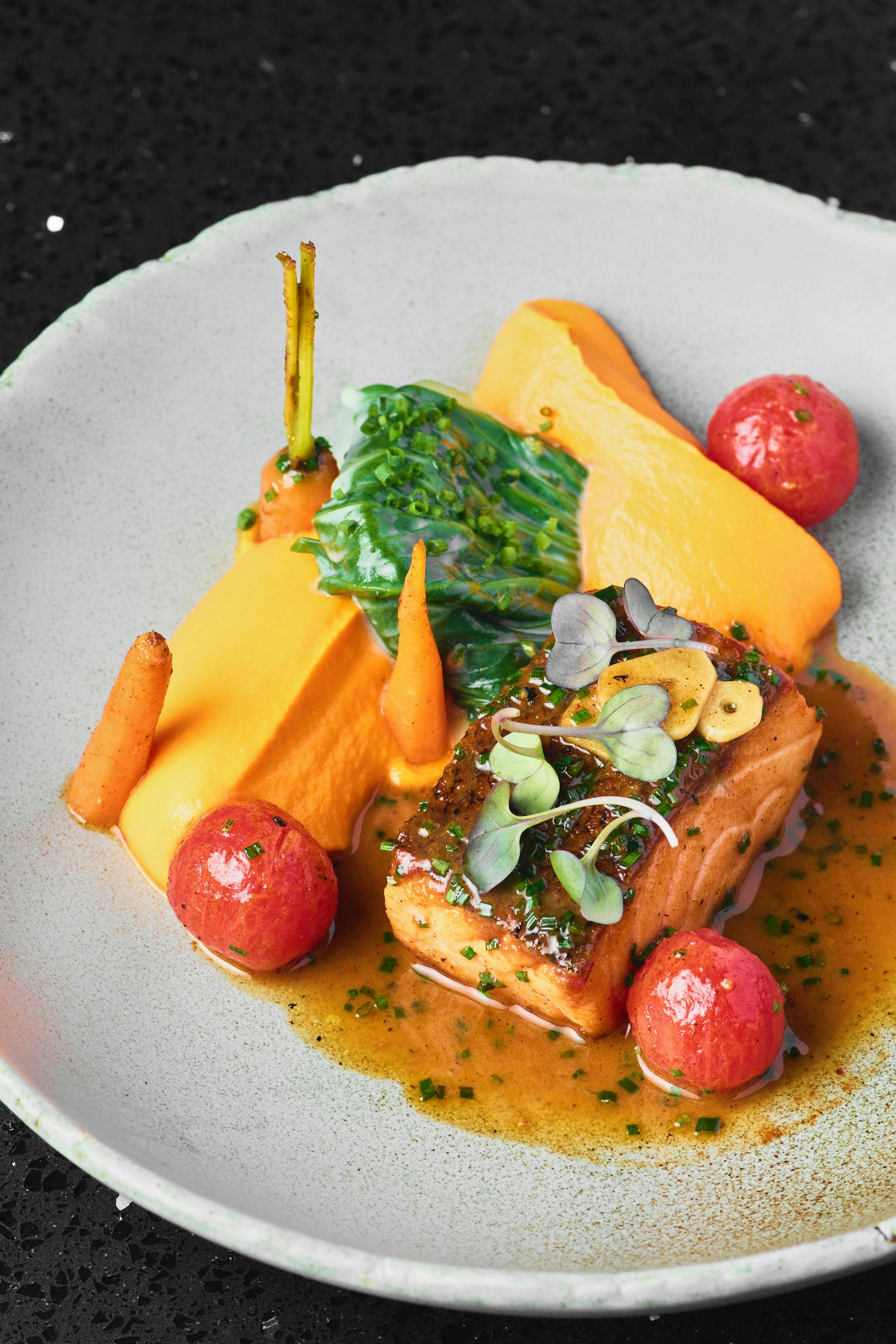
Salmon with Roasted Vegetables: bake salmon with lemon and garlic, roasted brussels sprouts and sweet potato, alongside farro or brown rice
Tofu & Vegetable Stir-Fry: use tofu or tempeh, bok choy, mushrooms, broccoli, garlic and ginger along brown rice or quinoa
Mediterranean Chickpea Stew: use chickpeas, tomatoes, spinach, garlic, turmeric, cumin, paprika, olive oil drizzle and serve with a whole grain pita