DASH - Dietary Approaches to Stop Hypertension
The DASH diet focuses on whole, nutrient-dense foods and limits sodium, saturated fat, and added sugars. Rather than a strict “diet” the DASH dietary pattern is a long-term eating pattern designed for heart health.
What is the foundation of the DASH diet?
The DASH diet stands for Dietary Approaches to Stop Hypertension. It’s a well-researched eating pattern developed by the U.S. National Heart, Lung, and Blood Institute to help prevent and treat high blood pressure (hypertension) and improve cardiovascular health.
Core Principles:
The diet improves blood pressure through several mechanisms:
1. Lower sodium intake
Standard DASH: ≤ 2,300 mg sodium/day
Lower-sodium version: 1,500 mg/day
Reducing sodium lowers plasma volume and pressure on arterial walls.
2. High intake of beneficial minerals
Foods in the DASH diet are rich in:
Potassium
Magnesium
Calcium
These nutrients help regulate vascular tone and counteract sodium’s effects.
3. Reduced saturated fat and added sugars
This improves:
endothelial function
inflammation
insulin sensitivity
Why does the DASH diet approach work?
The diet improves blood pressure through several mechanisms:
1. Lower sodium intake
Standard DASH: ≤ 2,300 mg sodium/day
Lower-sodium version: 1,500 mg/day
Reducing sodium lowers plasma volume and pressure on arterial walls.
2. High intake of beneficial minerals
Foods in the DASH diet are rich in:
Potassium
Magnesium
Calcium
These nutrients help regulate vascular tone and counteract sodium’s effects.
3. Reduced saturated fat and added sugars
This improves:
endothelial function
inflammation
insulin sensitivity
How to incorporate the DASH dietary pattern in your daily life:
Incorporating the DASH diet into daily life works best when done gradually and behaviorally, rather than attempting a sudden overhaul. Since the DASH pattern is essentially a food environment shift (toward high-potassium, low-sodium, high-fiber foods), practical strategies focus on shopping habits, meal structure, and sodium awareness.
1. Start With Plate Composition
A simple rule is to restructure the plate rather than count servings.
DASH-style plate
½ plate: vegetables and fruits
¼ plate: whole grains
¼ plate: lean protein
Side: low-fat dairy or plant alternative
Examples:
Grilled chicken + quinoa + roasted vegetables
Lentil soup + whole-grain bread + salad
Salmon + brown rice + steamed broccoli
This mirrors DASH’s nutrient profile: high potassium, magnesium, fiber, and low saturated fat.
2. Reduce Sodium Gradually
Many people consume >3,400 mg sodium/day, so sudden restriction is difficult.
Practical approach
Week 1–2: aim for ≤2,300 mg/day
Week 3+: reduce toward 1,500 mg/day
Strategies:
Replace processed foods with fresh options
Choose low-sodium canned products
Avoid sauces high in salt (soy sauce, commercial dressings)
Flavor foods with:
herbs
citrus
garlic
vinegar
spices
The palate typically recalibrates within ~2–3 weeks.
3. Increase Fruits and Vegetables First
The easiest entry point into DASH is simply increasing produce intake.
Target:
8–10 servings per day
Practical examples:
Add fruit to breakfast
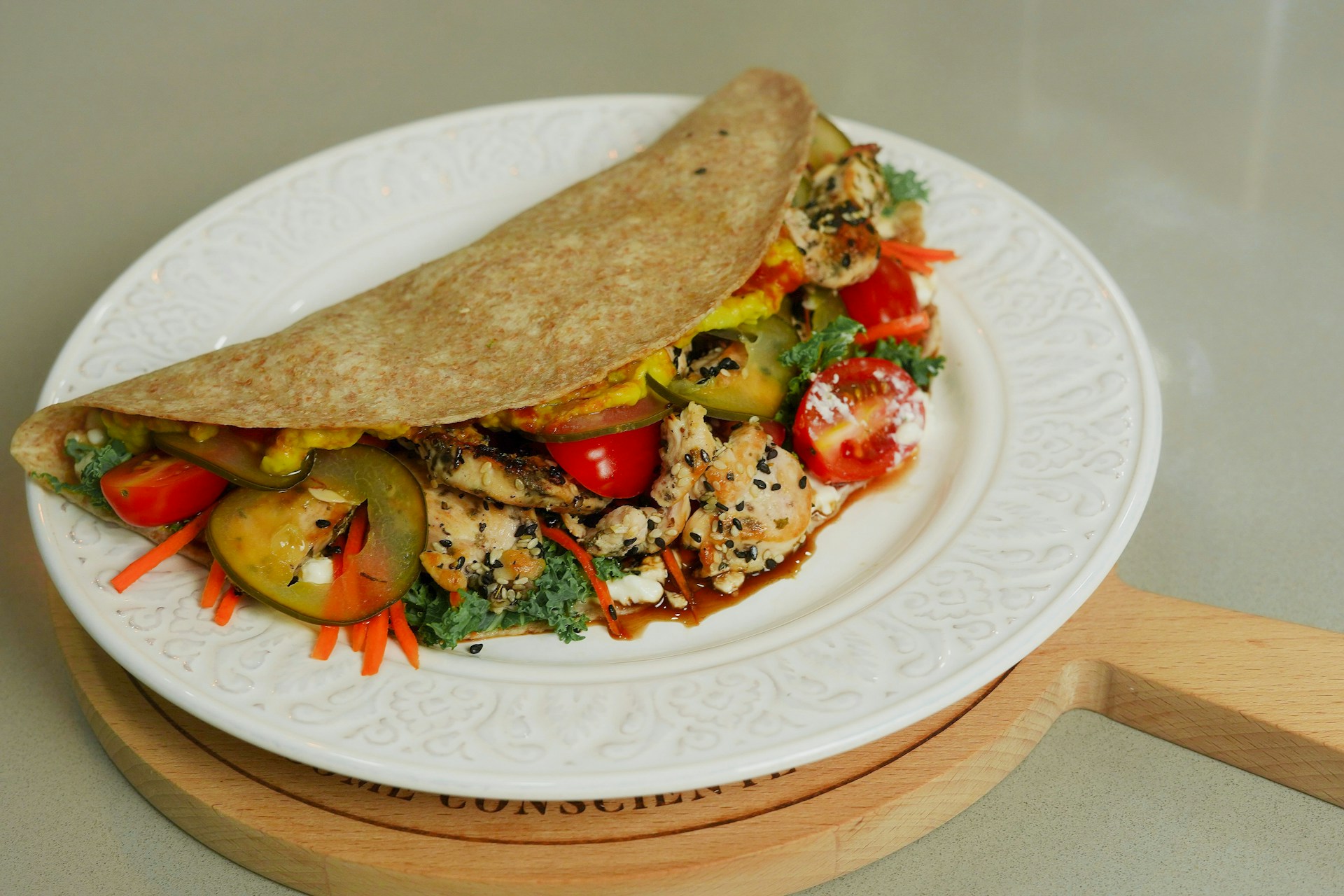
Include vegetables in lunch sandwiches or wraps
Keep cut vegetables or fruit visible for snacks
Quick swaps:
Chips → carrots + hummus
Dessert → berries + yogurt
White rice → cauliflower rice or brown rice
4. Replace Refined Grains With Whole Grains
Gradual substitution helps adherence.
Replace:
white bread → whole-grain bread
white rice → brown rice or quinoa
refined pasta → whole-wheat pasta
Whole grains provide:
fiber
magnesium
better glycemic control
5. Choose Lean Proteins
DASH favors plant-forward protein sources.
Prioritize:
fish
poultry
beans
lentils
tofu
nuts
Limit:
processed meats
fatty red meats
A practical weekly rhythm:
2–3 fish meals
2 vegetarian meals
2 poultry meals
1 red meat or flexible meal
6. Include Low-Fat Dairy or Alternatives
DASH includes 2–3 servings daily for calcium and potassium.
Examples:
yogurt
milk
kefir
fortified plant milks
Easy ways:
yogurt snack
milk with breakfast
cottage cheese with fruit
7. Rethink Snacks
Snacks are often the largest sodium source.
DASH-friendly snacks:
almonds or walnuts
yogurt + berries
apple + peanut butter
hummus + vegetables
whole-grain crackers
8. Plan Meals and Grocery Shopping
Shopping habits determine success.
DASH grocery list framework
Produce
leafy greens
broccoli
carrots
berries
bananas
apples
Whole grains
oats
quinoa
brown rice
whole-grain bread
Proteins
fish
chicken
beans
lentils
tofu
Dairy
yogurt
milk
Healthy fats
olive oil
nuts
seeds
Avoid aisles dominated by processed packaged foods.
9. Use Restaurant Strategies
Dining out can undermine sodium goals.
Tips:
request sauces on the side
choose grilled or baked options
avoid fried and heavily sauced dishes
split large portions
Restaurant meals can contain >2,000 mg sodium, so moderation is important.
10. Build Habits Rather Than Perfection
Behavioral adherence improves when changes are incremental.
A realistic progression:
Week 1
Add one vegetable serving daily
Week 2
Replace refined grains with whole grains
Week 3
Reduce processed snacks
Week 4
Monitor sodium intake
This approach improves long-term adherence and sustainability.