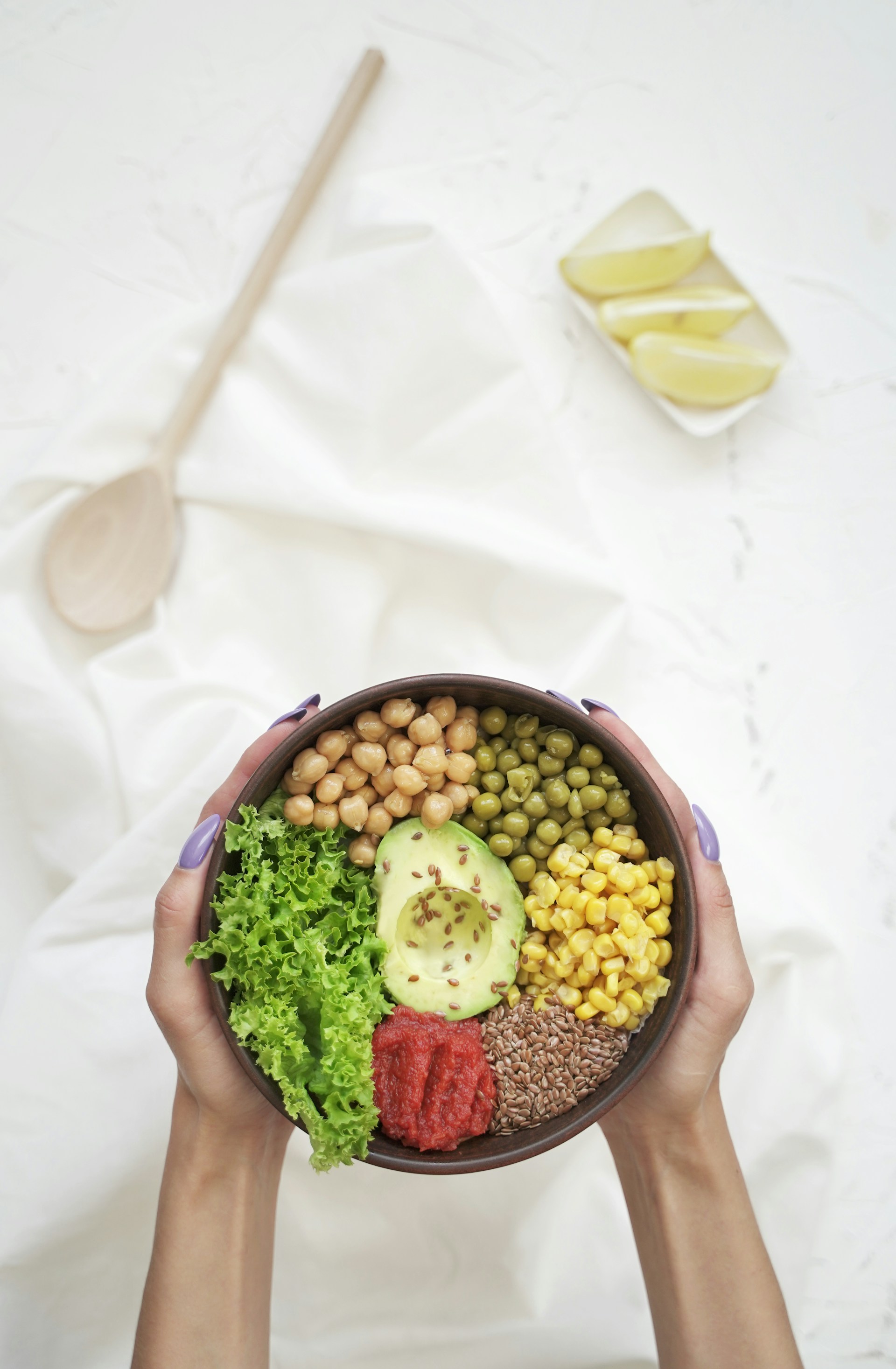
Whole-food Plant-Based diet
A Whole-Food Plant-Based diet is an eating pattern centered on unrefined, minimally processed plant foods, while minimizing or eliminating animal products and highly processed foods. It emphasizes food quality over simply being vegetarian. The focus is on whole, nutrient-dense foods rather than refined plant products.
What is the foundation of a Whole-Food Plant-Based diet?
A Whole-Food Plant-Based diet is a nutrient-dense, fiber-rich, anti-inflammatory eating pattern centered on minimally processed plant foods. It supports cardiometabolic and liver health and can be highly effective when properly planned and sustained.
Core Principles:
- Entirely or Predominantly Plant-Based
Vegetables
Fruits
Whole grains
Legumes
Nuts and seeds
Herbs and spices
Animal products are typically excluded or minimized.
2. Whole Foods Over Processed Foods
Encourages:
Intact whole grains (e.g., oats, quinoa, brown rice)
Whole legumes (lentils, chickpeas, black beans)
Fresh or frozen vegetables and fruits
Limits:
Refined grains (white bread, white pasta)
Added sugars
Highly processed plant foods
Ultra-processed meat substitutes
3. Low in Saturated Fat
Since animal products are removed, saturated fat intake is naturally lower. This may support:
Improved LDL cholesterol
Better insulin sensitivity
Reduced liver fat accumulation
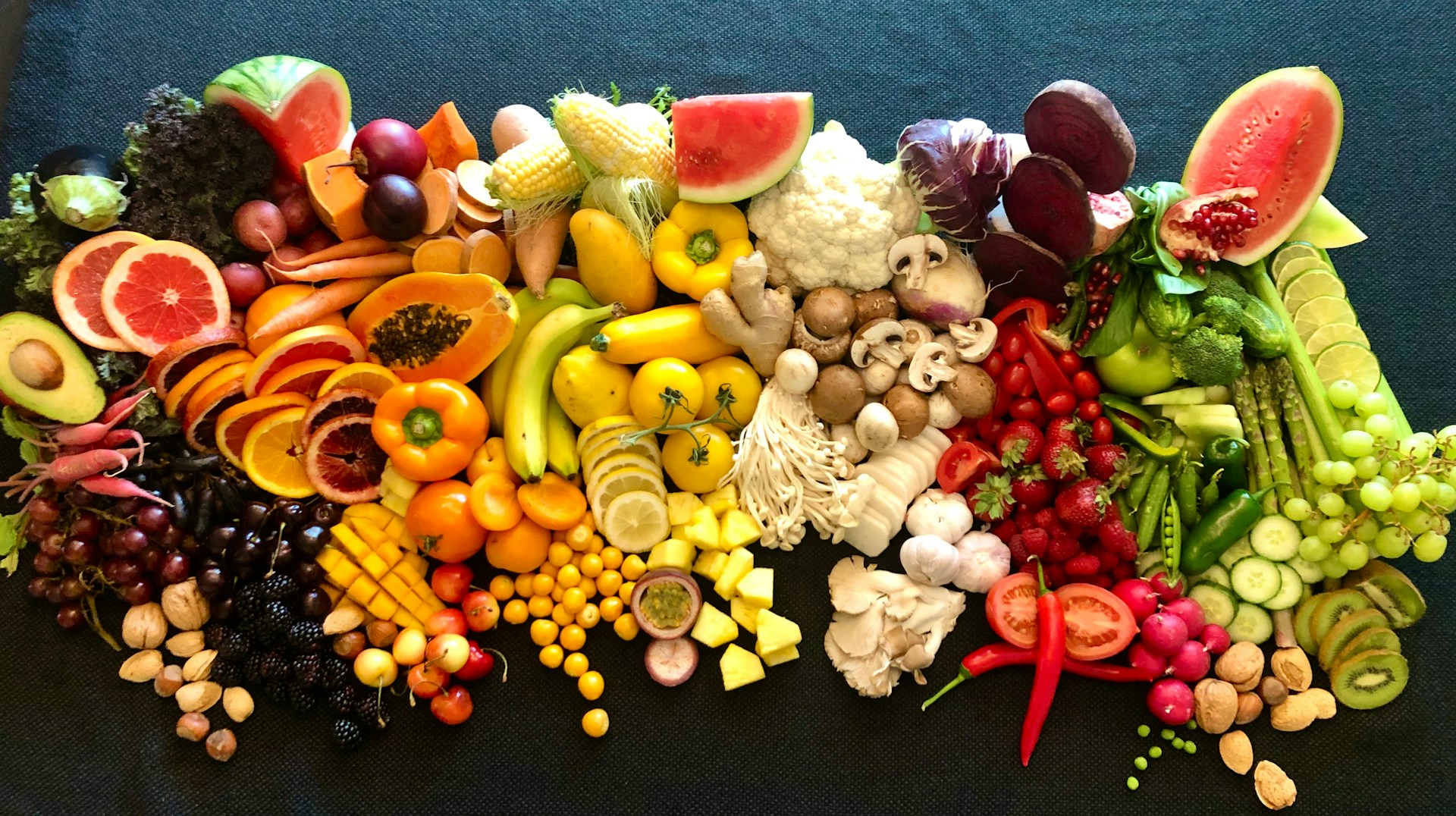
Why is the Whole Food - Plant-based diet approach effective for patients with liver disease?
The Whole-Food Plant-Based (WFPB) diet can be particularly effective for patients with liver disease — especially MASLD (Metabolic dysfunction-associated steatotic liver disease) — because it directly targets the core drivers of liver injury: insulin resistance, excess liver fat, inflammation, oxidative stress, and visceral adiposity.
1) Focus on Whole-food - Plant-based food
Plant-based foods are high in nutrients, rich in vitamins (like C, E, and K), minerals (like
magnesium, potassium, and iron), and antioxidants. Plant foods are rich in polyphenols,
antioxidants, and phytochemicals, which reduce oxidative stress and inflammation—key drivers of progression from simple steatosis to Metabolic Dysfunction-Associated Steatohepatitis (MASH). A plant-based diet promotes a diverse and beneficial gut microbiome, which is increasingly recognized as an important factor in liver health and gut-liver axis integrity. Plant based foods are high in fiber that helps with digestion, blood sugar control, and lowering cholesterol. High fiber diets keep you full longer and help with weight management. Important for patients with MASLD, high fiber and low saturated fat content in plant-based diets (especially whole-food plant-based) are associated with a reduction in hepatic steatosis.
Natural fiber improves insulin sensitivity and glycemic control, both of which are critical in
reducing de novo lipogenesis (fat production in the liver). MAFLD is closely linked to insulin resistance. Plant-based diets have low glycemic load and help stabilize blood glucose and insulin levels. Calorie density of plant-based diets is typically lower, aiding in weight reduction, which is the cornerstone of MAFLD management. Even 5–10% weight loss has been shown to significantly improve liver histology. Diets low in saturated and high in unsaturated fats (from nuts, seeds, and plant oils) help reduce LDL cholesterol and triglycerides, both risk factors for MAFLD progression.
2) Eliminating saturated fat intake
Animal-based foods are a major source of saturated fat that can promote hepatic fat accumulation, worsen insulin resistance, and increase liver inflammation. By eliminating the intake of animal products, the Whole-Food - Plant Based dietary pattern naturally reduce saturated fat intake, helping decrease liver fat and improve lipid profiles.
In small amounts red meat has nutrient benefits of being high in protein, iron, zinc and vitamin B12 and lean cuts can support muscle mass accumulation but in higher amounts the risks out way benefits.
Important Consideration
When appropriately planned, a Whole-Food Plant-Based dietary pattern can be nutritionally adequate and safe. However, in patients with advanced liver disease, vitamin B12 supplementation is essential, and levels of iron, zinc, and omega-3 fatty acids should be regularly monitored. Ensuring adequate protein intake (approximately 1.2–1.5 g/kg/day) is particularly important to preserve muscle mass and should be carefully planned and individualized.
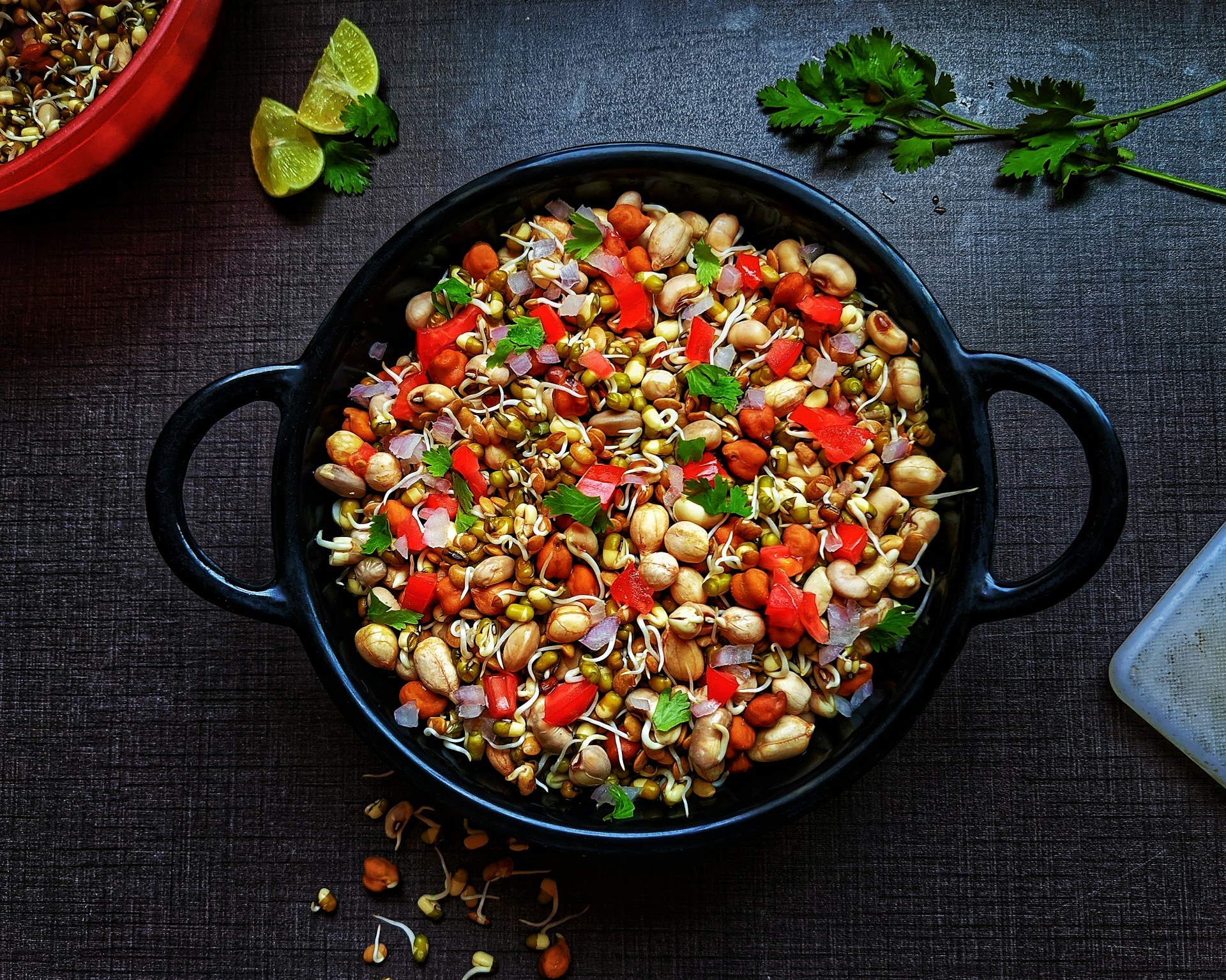
How to incorporate the Whole-Food Plant-based dietary pattern in your daily life:
Transitioning to a Whole-Food Plant-Based (WFPB) way of eating does not have to be overwhelming. Small, consistent changes can make a meaningful difference.
1) Instead of completely changing everything at once, start with foods that you already eat:
Add an extra serving of vegetables to lunch or dinner
Replace white bread or pasta with whole-grain versions
Add beans or lentils to soups, salads, or stews
Include fruit as a daily snack
Focus on adding plants first, rather than removing foods immediately.
2) Use a simple plate model: build balanced plant-based meals
Half your plate: Vegetables
One quarter: Whole grains (quinoa, brown rice, oats)
One quarter: Plant protein (lentils, beans, tofu, chickpeas)
Add: Nuts, seeds, or a drizzle of olive oil
3) Prioritize Protein
Ensure adequate protein intake by including:
Lentils
Chickpeas
Black beans
Tofu or tempeh
Edamame
Nuts and seeds
For individuals with liver disease, protein intake should be thoughtfully planned and distributed across meals.
4) Increase Variety
Aim for diversity:
Different colored vegetables
Multiple types of legumes
A rotation of whole grains
Various herbs and spices
Variety supports gut health and nutrient adequacy.
5) Plan Ahead
Prepare grains and beans in batches
Keep frozen vegetables on hand
Stock pantry staples (lentils, canned beans, oats, nuts)
Have healthy snacks available
Preparation makes consistency easier.
6) Supplement When Needed
If fully plant-based:
Take vitamin B12
Monitor vitamin D, iron, zinc, and omega-3 status
Work with a healthcare provider if you have liver disease
7) Make It Sustainable
Choose an approach you can maintain long term.
Some people transition gradually:
Start with “Meatless Mondays”
Shift one meal per day to plant-based
Move toward mostly plant-based over time
Perfection is not required — consistency is.
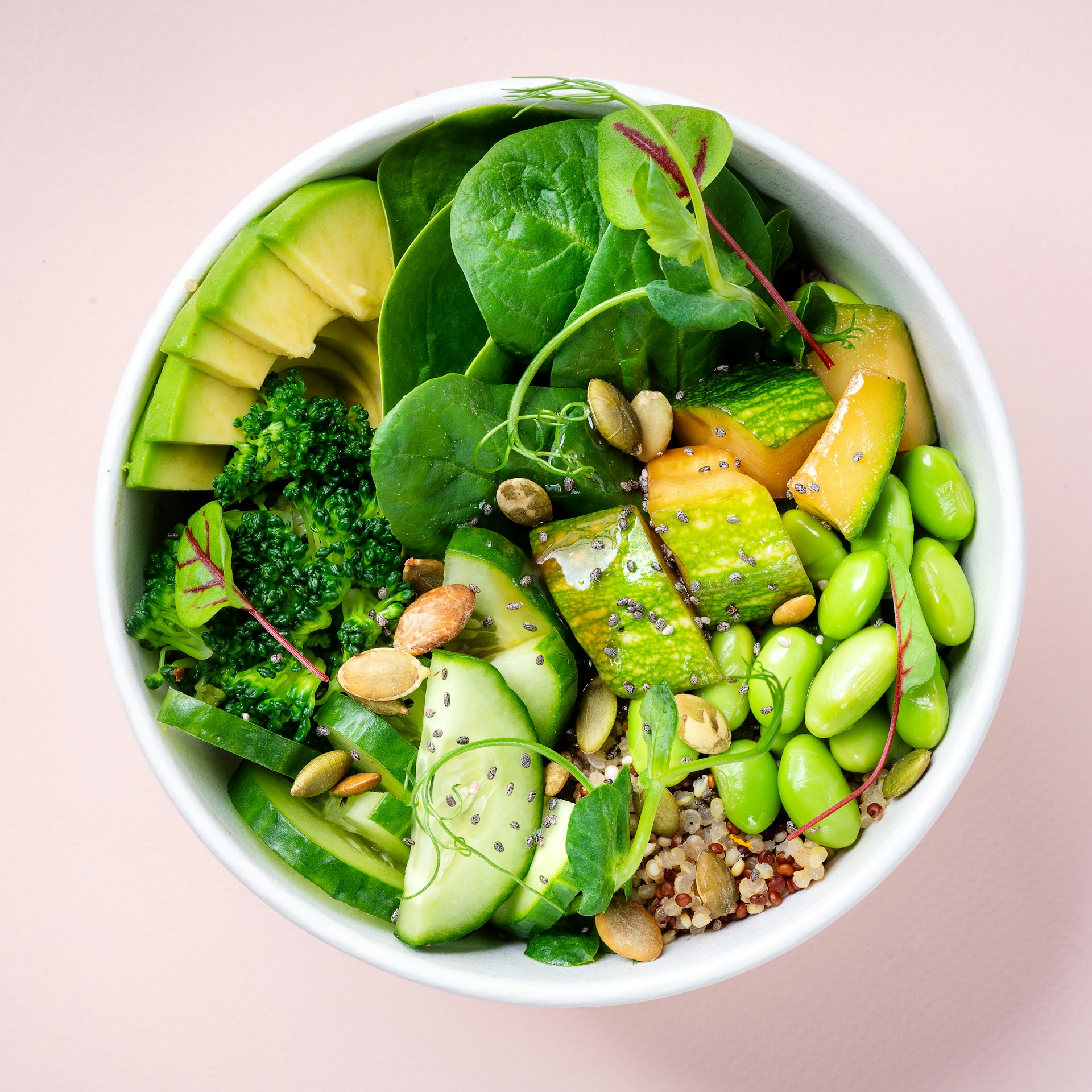
Incorporate the Whole-food Plant-based diet into your daily menu
Breakfast ideas:
- Savory Tofu & Veggie Scramble: use Tofu crumbled with turmeric and black pepper, add spinach, mushrooms, onions, bell peppers. Serve it alongside a slice of whole-grain bread and top with avocado slices
- Protein-Powered Oat Bowl: with old fashioned/steel cut oats, ground flaxseed or chia seeds, plant based milk, berries and sliced apple, topped with walnuts or almond butter
Smoothy bowl: use berries, banana, spinach, kale, unsweetened plant based milk, hemp seeds and oats and blend it to perfection
Lunch ideas
Lentil & Quinoa Power Bowl: use cooked quinoa, green or brown lentils, roasted vegetables (zucchini, carrots, broccoli), fresh greens e.g. arugula or spinach with a tahini-lemon dressing
Chickpea Salad Wrap: use chickpeas, mix with celery, red onion, parsley, add dijon-mustard and lemon vinaigrette, wrapped in a whole-grain tortilla and dd a side of mixed greens
Hearty Bean & Vegetable Soup: use white beans or black beans, add tomatoes, kale, carrots, garlic, herbs and spices served with whole-grain bread
Dinner ideas:
Stir-Fry with Tofu: use tofu or tempeh, variety of vegetables like brokkoli, bok choy, snap peas, mushrooms, ginger, garlic, springle with sesame seeds and serve along a side of brown rice or farro
Stuffed Sweet Potato: use a baked sweet potato and top it with black beans, corn, avocado, salsa and fresh cilantro
Mediterranean-Style Bowl: use Farro or barley, chickpeas, cherry tomatoes, cucumber, olives and fresh herbs, drizzle with olive oil and lemon